

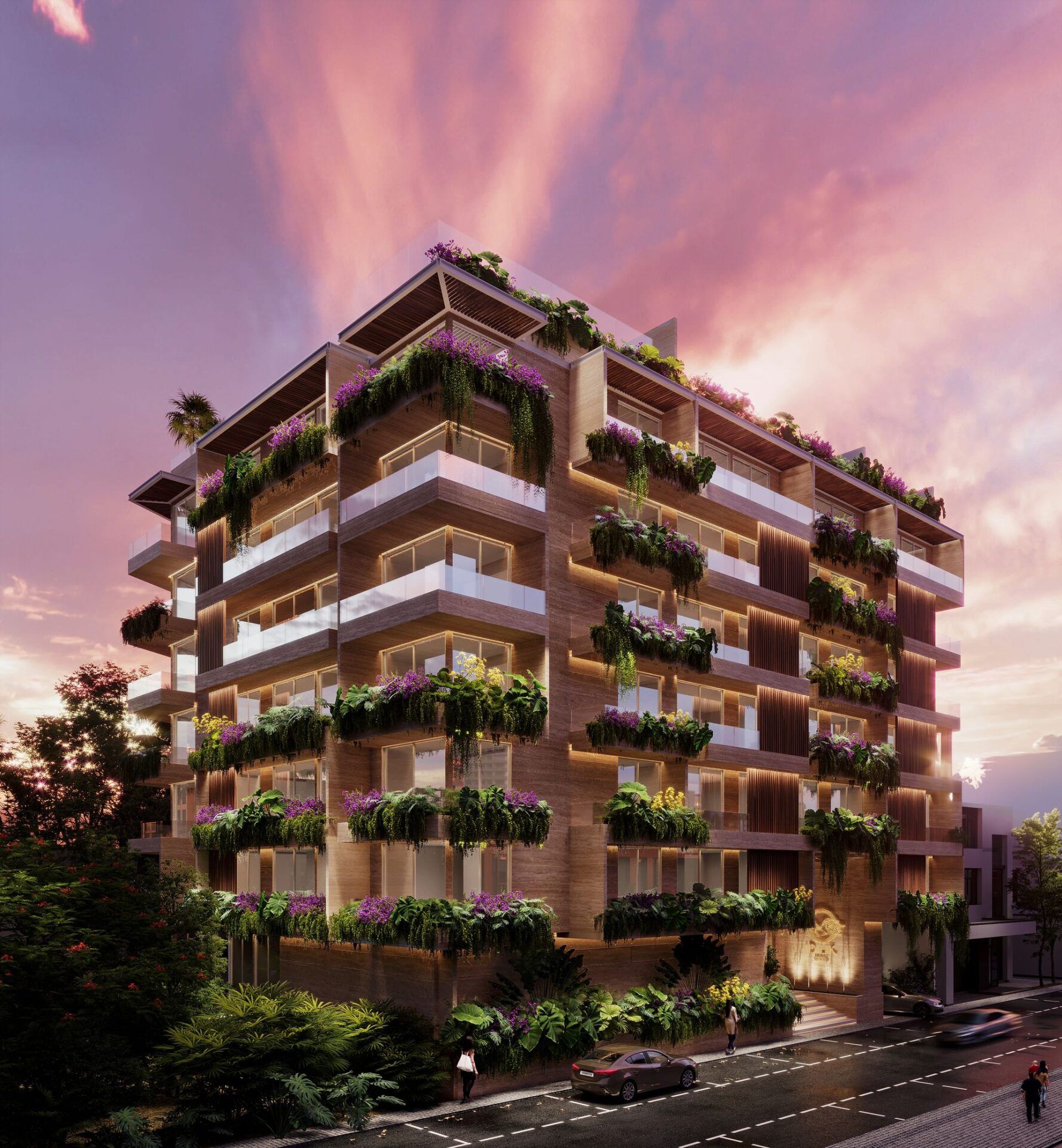
Buying pre-construction (pre-sale) is one of the most popular investment strategies in the Riviera Maya: it lets you acquire properties below market price, with flexible payment plans and the advantage of capturing all the appreciation during the construction process. But buying pre-construction also carries specific risks that must be managed carefully. This checklist will help you evaluate any pre-sale opportunity systematically and protect your investment.
Phase 1: Evaluating the developer
Track record of delivered projects
The first evaluation criterion is the developer itself. Find out how many projects it has completed and delivered. Visit the same developer's previous projects to verify the construction quality and whether the promised specifications were met. Talk to owners in previous projects if possible. A developer without a verifiable track record is the single biggest risk factor in any pre-sale.
Financial strength and backing
Verify that the developer has enough capital to complete the project. Ask for information about the project's financing: does it have a bank construction (bridge) loan? Are pre-sales the only financing mechanism? A project that relies exclusively on pre-sales to finance its construction carries a greater risk of delay or cancellation if sales slow down.
Phase 2: Legal due diligence
Reviewing the land title
The first document you should review with an attorney is the title to the land where the development will be built. It must be clean, free of liens, mortgages, or legal disputes. Verify at the Public Property Registry (Registro Público de la Propiedad) that the land is in the name of the developer or of an entity clearly linked to it.
Valid construction permits
Any development in the Riviera Maya requires multiple permits: land use, environmental impact (MIA), a construction license, and federal maritime-terrestrial zone permits where applicable. Request copies of the current permits and have an attorney verify that they are in order. Projects that start selling without firm permits are a red flag.
Promise-to-purchase agreement
The pre-sale contract (promesa de compraventa, or promise-to-purchase agreement) is the most important document in the transaction. It must specify: the total price and payment terms, detailed technical specifications of the property, the estimated delivery date with penalties for delays, the conditions for terminating the contract and refunding capital, and an escrow or fideicomiso (bank trust) mechanism to protect the buyer's payments.
Phase 3: Financial analysis of the investment
Pre-sale price vs. expected price at delivery
The difference between the pre-sale price and the projected market price at the time of delivery is the main indicator of the financial opportunity. In the Riviera Maya, well-positioned pre-sales offer discounts of between 15% and 35% compared with the expected market price. Validate this projection with current market comparables in the same area.
Payment structure and its impact on ROI
A pre-sale's payment structure determines its effective return. A 30% down payment followed by monthly installments has a different cost of capital than a scheme of 10% down and 90% on delivery. Calculate the ROI taking into account the real cost of capital under each payment structure, not just the projected appreciation percentage.
Phase 4: Evaluating the location and the product
Physical site visit
Before signing any contract, physically visit the land where the project will be built. Evaluate: real access (not just according to the map), the immediate surroundings (what is around it and what could be developed), ground level and drainage, available basic services (water, electricity, internet), and the actual distance to the beach, cenotes, or other attractions advertised for the project.
Phase 5: Protecting your capital during construction
The mechanism protecting your payments during construction is critical. The best options are: a bank trust (fideicomiso) in which funds are released to the developer only against verified progress, an escrow account with clear release conditions, or a bank guarantee ensuring the return of capital if the developer defaults. Avoid projects where payments go directly into the developer's account without additional protection.
Conclusion: pre-construction is an opportunity that requires discipline
Buying pre-construction in the Riviera Maya can be one of the most profitable financial decisions you make, but only if it's done with proper due diligence. This checklist is your first step in evaluating any opportunity. At L’Agence by Los Socios, we carry out due diligence for our clients and only present pre-sales that have passed our legal, financial, and market quality filters.
Looking to invest in the Riviera Maya?
L’Agence offers the most comprehensive selection of luxury properties in the region.
View properties in Tulum → | View properties in Playa del Carmen → | View properties in Cancún →
You may also be interested in: Real estate crowdfunding in Mexico: a fractional investment alternative and Cozumel: investment and tourism on the island of reefs.
Why L'Agence
Over 10 years in the Riviera Maya
SEDETUS · AMPI certified trilingual team operating in Cancún, Tulum, Playa del Carmen, Puerto Morelos, Puerto Aventuras and Bacalar. We accompany international investors from search to closing and ongoing property management.
Talk to an advisorKeep exploring