

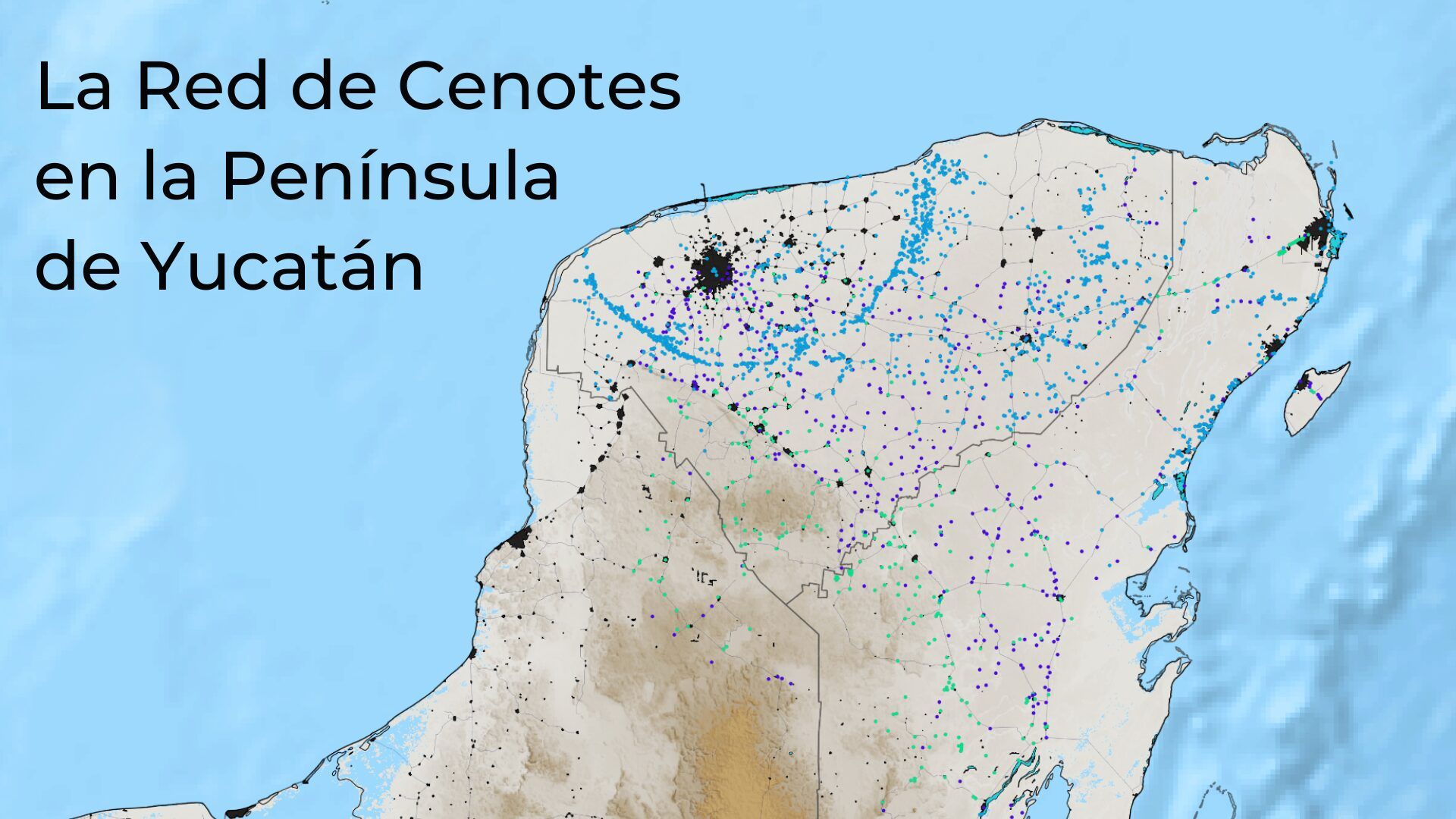
Introduction to the Yucatán Peninsula
The Yucatán Peninsula, located in southeastern Mexico, is a region rich in history, culture and natural beauty. It comprises the states of Yucatán, Quintana Roo and Campeche. The region is famous for its idyllic beaches, its ancient Mayan ruins and, above all, its breathtaking network of cenotes, one of the largest and most remarkable in the world.
How Cenotes Form Naturally
Cenotes are natural freshwater sinkholes formed when limestone bedrock collapses and exposes the groundwater below. They formed millions of years ago during the Pleistocene, when changes in sea level and erosion caused by acidic rainwater dissolved the limestone, creating a vast network of underground rivers and caverns.
Types of Cenotes
There are several types of cenotes, each with its own unique features:
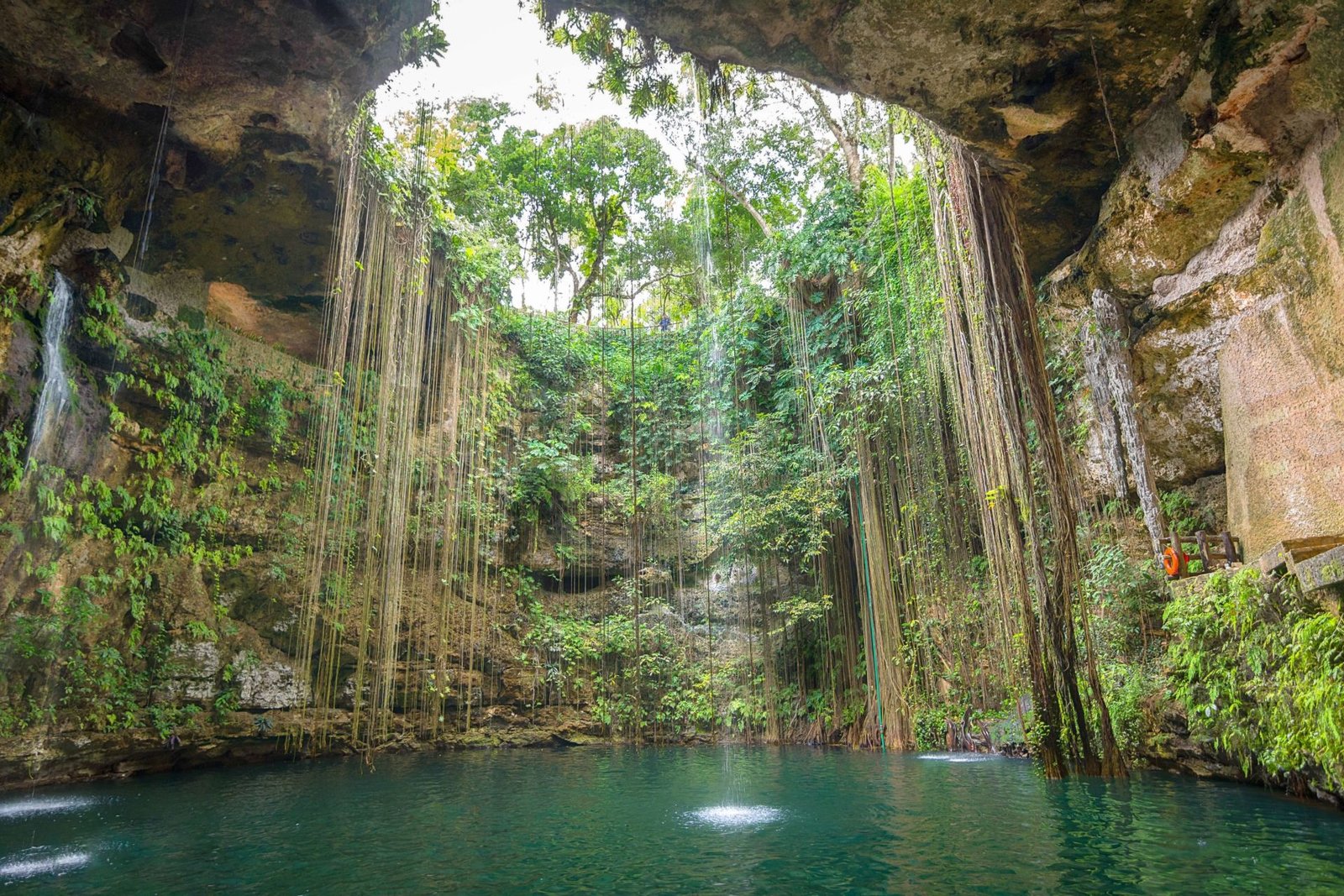
- Open cenotes: These are completely exposed to the open air, like natural wells. Example: Cenote Ik Kil.
- Semi-open cenotes: Part of the roof has collapsed while the rest remains covered. Example: Gran Cenote in Tulum.
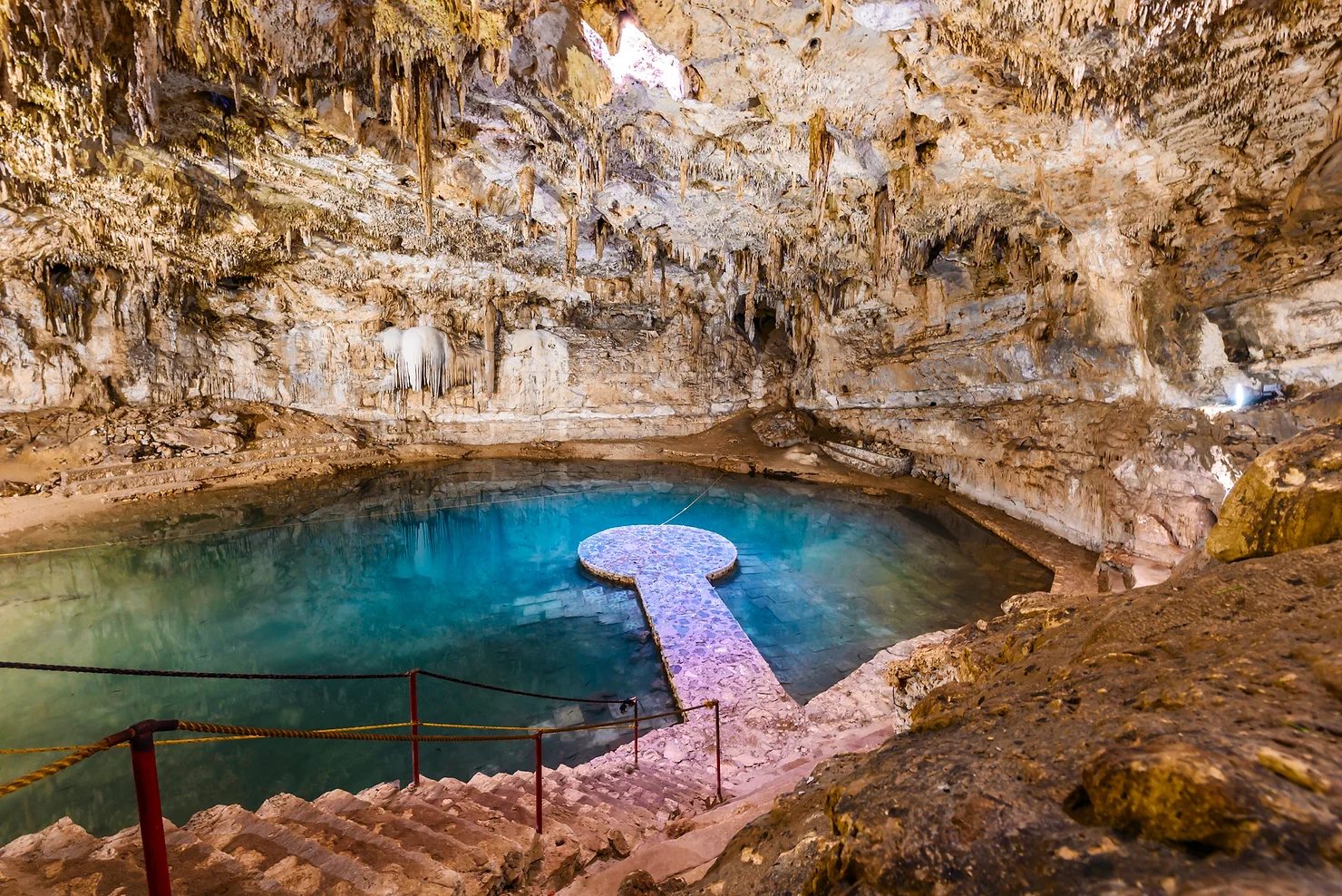
- Closed or cave cenotes: These are completely covered, like caves. Example: Cenote Suytun.
- Ancient cenotes: These cenotes have lost most of their roof due to erosion. Example: Cenote Zací in Valladolid.
The Cenotes and the Maya
For the Maya, cenotes held both spiritual and practical importance: they were considered gateways to the underworld and the dwelling place of their gods. They were also vital for water supply in a region where rivers and lakes were scarce.
The Maya held ceremonies and rituals at the cenotes, offering objects of ceramic, jade and gold and, at times, human sacrifices to honor their deities and seek their favor. One of the most famous cenotes for these rituals is the Sacred Cenote of Chichén Itzá.
According to Mayan legend, the cenotes, known as “Dzonot” or “D’zonot”, were formed by meteorites striking the Yucatán Peninsula 65 million years ago. These impacts created enormous holes that, over time, filled with fresh water, forming an interconnected network of natural wells. The Maya saw them as portals to the underworld, where their gods and the spirits of the dead resided. Today, local communities still commonly leave offerings such as statues or candles at these mystical places.
The Importance of Cenotes from Ancient Times to Today
Since ancient times, the cenote network has been fundamental to life on the Yucatán Peninsula. The cenotes provided the fresh water essential to the survival of Mayan communities. Today, they remain vital to local communities, not only as a source of water but also as tourist attractions that drive the region's economy.
Cenotes are popular spots for swimming, diving and exploring, drawing thousands of visitors every year. Conserving these ecosystems is also crucial because of their unique biodiversity and their importance as sources of fresh water.
The Cenotes of Yucatán State
Cenote Ik Kil
Cenote Ik Kil, near Chichén Itzá, is one of the most famous and most visited cenotes in Yucatán. This open cenote, surrounded by lush vegetation and with a waterfall cascading from its rim, offers a one-of-a-kind experience. Its crystal-clear water and easy access make it a popular stop for travelers visiting the nearby Mayan ruins, and its jumping platforms add an extra thrill for those looking for adventure.
Cenote Suytun
Cenote Suytun, located near Valladolid on the Yucatán Peninsula, is part of the peninsula's cenote network and is known for its striking stone platform that extends into the water, creating a spectacular view. This closed cenote, with its stalactites and stalagmites, offers a mystical, tranquil atmosphere. Light streaming in through an opening in the ceiling illuminates the water magically, making this cenote a favorite spot for photography and contemplation.
Cenote Noh Mozon
Cenote Noh Mozon is a hidden gem located just over an hour from Mérida. Reaching this secluded spot means traveling a narrow, winding country road. The journey may be challenging, but the reward is a natural, rustic cenote with no crowds. Its clear, calm water is ideal for snorkeling and diving, with several jumping spots at different heights. However, because it lacks safety measures, this cenote is not suitable for families with young children.
Cenote Zací
Cenote Zací sits in the heart of Valladolid, just a few minutes' walk from the main square. This semi-open cenote, surrounded by lush vegetation and featuring an artificial waterfall, offers a peaceful setting for swimming and relaxing. While its murky water makes it less than ideal for snorkeling, its jumping platforms provide an exciting experience for visitors.
Cenote San Lorenzo Oxman
Just 10 minutes from Valladolid, Cenote Oxman is a picturesque natural pool. Visitors can descend 73 steps to plunge into its refreshing water, with jumping platforms and a rope swing for extra excitement. The cenote also offers a swimming pool, lounge chairs, umbrellas and a restaurant/bar, ideal for unwinding after exploring.
Dzitnup Cenotes
Located near Valladolid on the Yucatán Peninsula, the Xkeken and Samula cenotes, known collectively as the Dzitnup cenotes, are true natural treasures. Part of the peninsula's cenote network, Xkeken, with its stalactites and an opening that lets in natural light, creates a breathtaking visual display when the sun's rays illuminate its turquoise water. Samula, with its descending staircase and spacious cavern, offers an equally fascinating experience, allowing visitors to swim in a mystical setting surrounded by unique rock formations. Both cenotes are ideal for anyone wishing to explore the underground beauty of Yucatán and enjoy a calm, refreshing atmosphere.
The Cenotes of Quintana Roo
Cenote Azul
Cenote Azul, near Playa del Carmen, is a paradise for families. With depths ranging from shallow areas to deeper sections, this semi-open cenote offers a five-meter (16-foot) jumping ledge for the adventurous. It is the perfect place to spend an afternoon swimming and exploring.
Cenote Cristalino
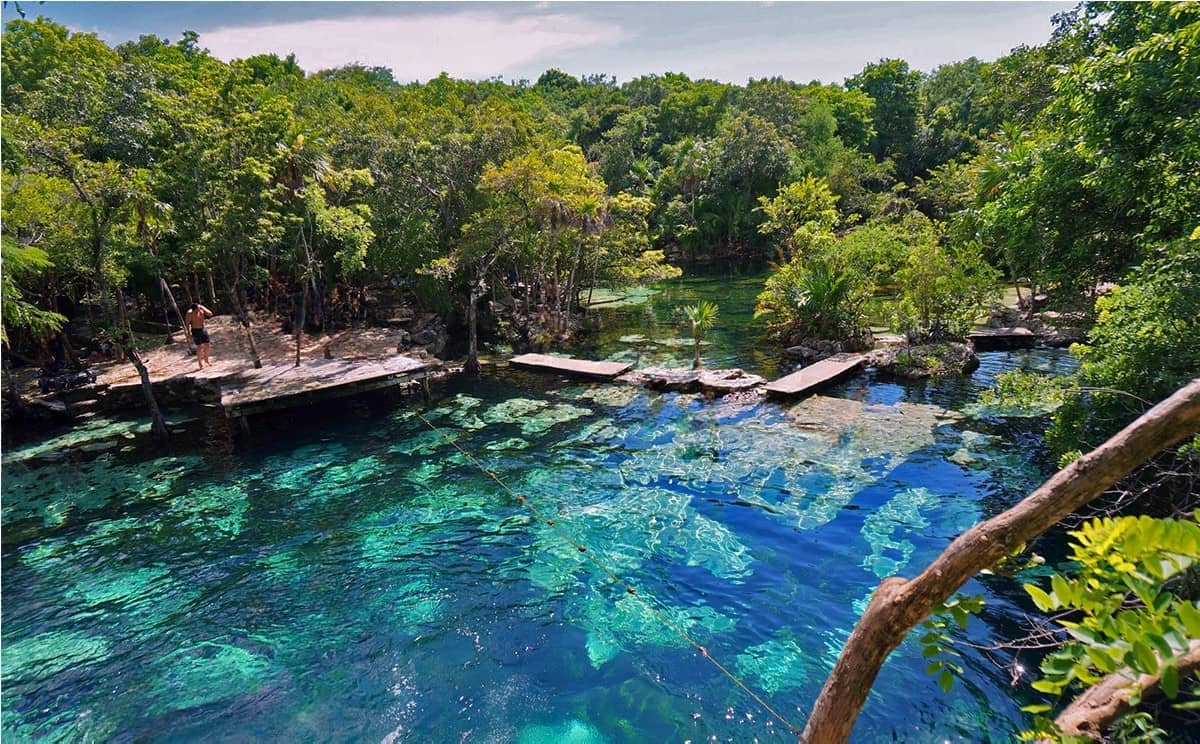
Located near Playa del Carmen, Cenote Cristalino is famous for its crystal-clear water and intimate setting surrounded by mangroves. This semi-open cenote is ideal for families and anyone looking to escape the sun. Its proximity to other popular attractions makes it an easy option for travelers.
Cenote Dos Ojos
Cenote Dos Ojos is one of the best-known cenotes in the Riviera Maya. Made up of two cenotes connected by an underground passage, it is popular with divers for its vast, mysterious underwater corridors. It is also well suited to snorkeling, offering an unforgettable experience for every visitor.

Cenote Chaak Tun
Chaak Tun is the only cenote located in Playa del Carmen itself. This 1-hour-and-45-minute guided tour takes visitors through two underground cenotes filled with stalactites and clear water. Visitors receive all the gear they need for the exploration and, at the end of the tour, can enjoy a complimentary tequila tasting.
Río Secreto
Río Secreto is a one-of-a-kind experience in the Riviera Maya, offering a 90-minute guided tour through an impressive underground cave system. Visitors walk and swim through 600 meters (about 2,000 feet) of caves filled with stalactites and stalagmites, ending at a beautiful underground lagoon. The tour provides all the necessary equipment and is led by expert guides, ensuring a safe and unforgettable adventure.
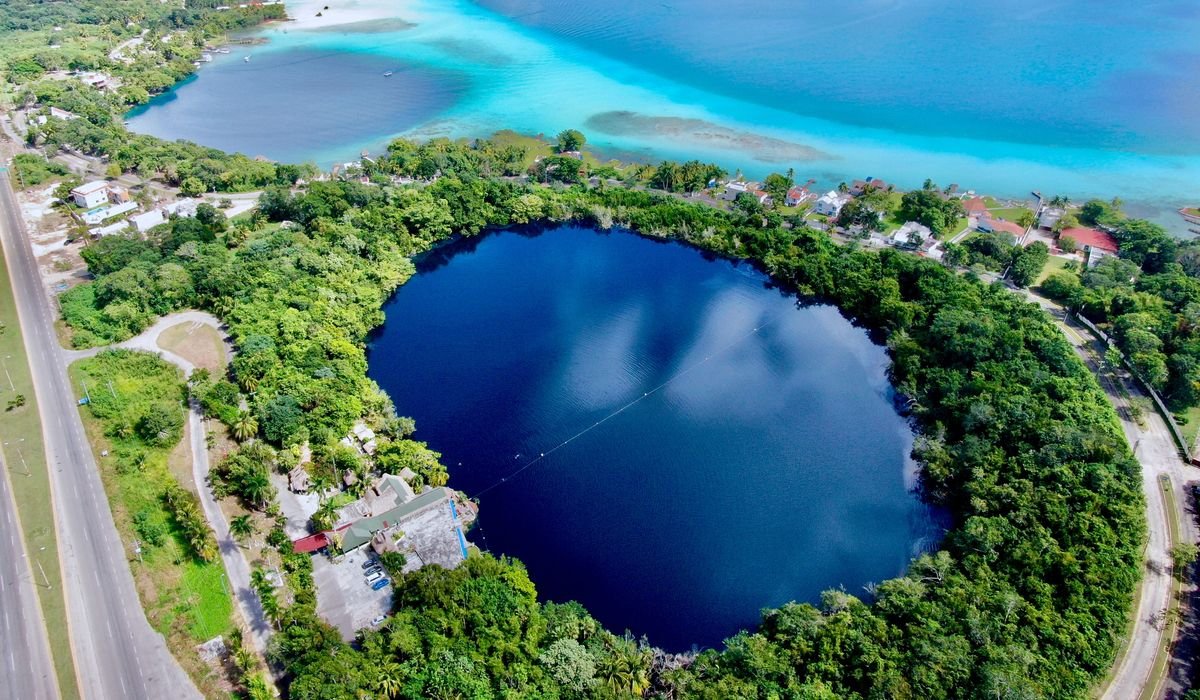
Cenote Azul (Bacalar)
Bacalar's Cenote Azul stands out for its impressive size and natural setting. At 90 meters deep and 200 meters across, this cenote offers opportunities for swimming, diving and snorkeling. Its proximity to the Bacalar Lagoon and its restaurant with a view make it an ideal place to spend the day.
The Cenotes of Campeche
Cenote Ich Ha Lol Xaan
Cenote Ich Ha Lol Xaan, located in an ecotourism reserve, is one of the most beautiful cenotes in Campeche. It offers two different areas: a smaller cenote with crystal-clear water and fish, ideal for children, and a larger cenote with emerald-green water, perfect for swimming and relaxing.
With nearly 10,000 cenotes, the cenote network of the Yucatán Peninsula is a natural treasure that has played a crucial role in the lives of its inhabitants from ancient times to the present day. These cenotes are not only geological wonders but also cultural and spiritual symbols that continue to draw people from around the world. Exploring the cenotes means stepping into an underground world full of history, beauty and mystery that continues to captivate those lucky enough to visit them.
Looking to invest in the Riviera Maya?
L’Agence offers the most complete selection of luxury properties in the region.
View properties in Tulum → | View properties in Playa del Carmen →
Why L'Agence
Over 10 years in the Riviera Maya
SEDETUS · AMPI certified trilingual team operating in Cancún, Tulum, Playa del Carmen, Puerto Morelos, Puerto Aventuras and Bacalar. We accompany international investors from search to closing and ongoing property management.
Talk to an advisorKeep exploring